When Distance and Motherhood Interrupted Immunization
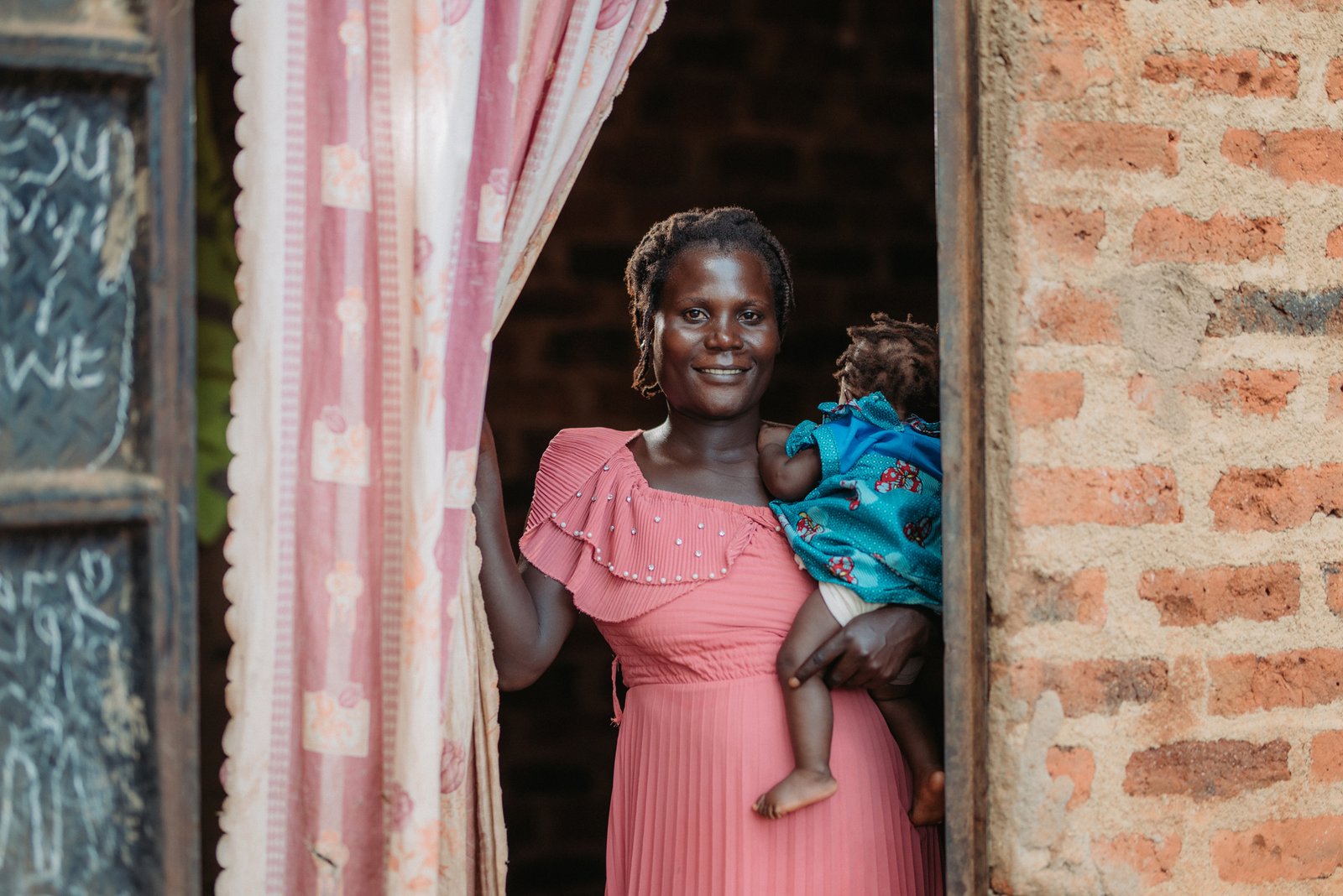
Nakalyoko Rachel is a 23-year-old mother of four from Namisu B Village in Busakira Sub-county, Mayuge District. Her story is one of quiet struggle—the kind that plays out in thousands of households across rural Uganda, where the distance between a child and lifesaving vaccines can feel like an impossible gap to close.
The Impossible Eight Miles
When Rachel’s first child was born, she was determined to do right by her baby. She managed the journey to the health facility four times for vaccinations—a monumental effort that meant walking eight miles on foot while carrying an infant, often with no one to help. When her second child arrived, she made the trip three times.
But motherhood had a way of compounding itself. By the time her third child was born, the reality of her situation became unbearable. Eight miles on foot. Multiple young children in tow. No reliable transport. No one to watch the children at home. Farmwork waiting. Household tasks piling up.
“I knew immunization was important, but with three small children and an eight-mile walk to the health facility, the journey felt impossible,” Rachel recalled.
It wasn’t that she didn’t value vaccines—she did. It wasn’t that she didn’t understand their importance. The barrier wasn’t knowledge or willingness. It was physics: a mother’s finite energy, multiple competing demands, and an eight-mile gap between her home and care.
A Shift in the System
The turning point came not from Rachel mustering more willpower, but from the system itself changing.
A Village Health Team (VHT) member visited her home and asked a simple but profound question: why were her children missing their vaccinations? When Rachel explained her circumstances, the VHT listened—really listened—and returned with health workers. Rather than telling her to try harder, they offered practical support.
At the time, Rachel was pregnant with her fourth child. The health team arranged transport to the health facility. Two of her children received the vaccines they had missed. For the first time, the barrier of distance had been overcome not by Rachel’s determination alone, but by a system that met her where she was.
Yet even after giving birth, the struggle continued. Childcare responsibilities. Competing demands. A missed appointment here, a failed attempt there.
“Sometimes I planned to go for immunization, but I would become busy in the garden or with the children and simply fail to make the journey,” she explained.
When Services Came Closer
Then the real change arrived: outreach services came to the community.
Health workers and VHTs began bringing immunization services directly to families—no eight-mile walk required. They regularly reminded caregivers about outreach dates. They positioned vaccination sessions within reach, both geographically and logistically.
“When the health workers started coming closer to us, everything changed,” Rachel said. “They did not only bring vaccines; they brought the services within our reach and made it possible for mothers like me to protect our children.”
The Transformation
Today, Rachel has complete confidence in immunization. She understands that vaccines protect children from measles and other preventable diseases. And critically—she can actually act on that understanding. All four of her children now receive their vaccines whenever outreach services are available in her community.
What shifted wasn’t Rachel’s commitment. It was the barriers that had stood between her commitment and her ability to act.
What Rachel’s Story Reveals
Her experience illuminates a fundamental truth in immunization equity: removing barriers works better than asking people to climb higher.
In Rachel’s case, three specific changes made the difference:
- Trust-based engagement: A Village Health Team member who knew her community and took time to listen to her actual barriers—not assumed barriers.
- Practical support: Health workers who responded to her challenges with concrete help (transport during her pregnancy) rather than dismissal.
- Community-based outreach: Services positioned within the geographic and logistical reach of mothers like Rachel, eliminating the impossible eight-mile journey and the competing demands of trying to access distant facilities.
Rachel’s story is unique in its details but universal in its message. Across rural Uganda, thousands of mothers face similar barriers to immunization—not because they don’t value vaccines, but because the gap between their circumstances and health facilities is real, wide, and often measured in miles and competing demands.
Closing that gap requires more than messaging. It requires systems that move closer to families, that listen to their actual constraints, and that solve for the reality of rural motherhood—not an idealized version of it.
Today, Rachel’s children are protected. And because community-based outreach is now embedded in her sub-county, the next mother facing the same eight-mile barrier has a chance to find a different path forward.