PROJECT
Increasing Agency and Uptake of Family Planning Services
Funded by PATH –UCSF-MakSPH-ICAN-Phase 1 and ICAN-Phase 2
Project Cost: UGX 800,000,000
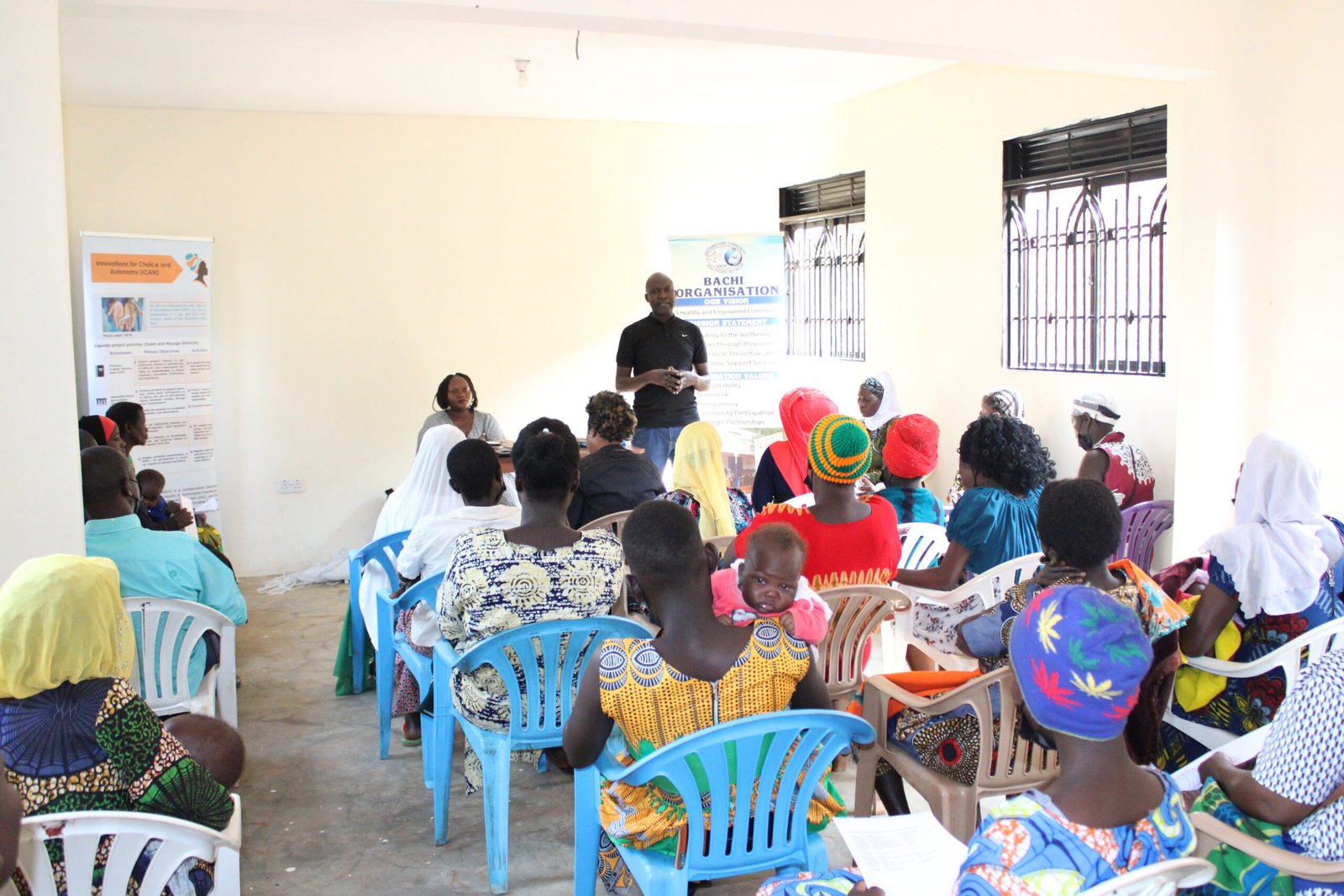
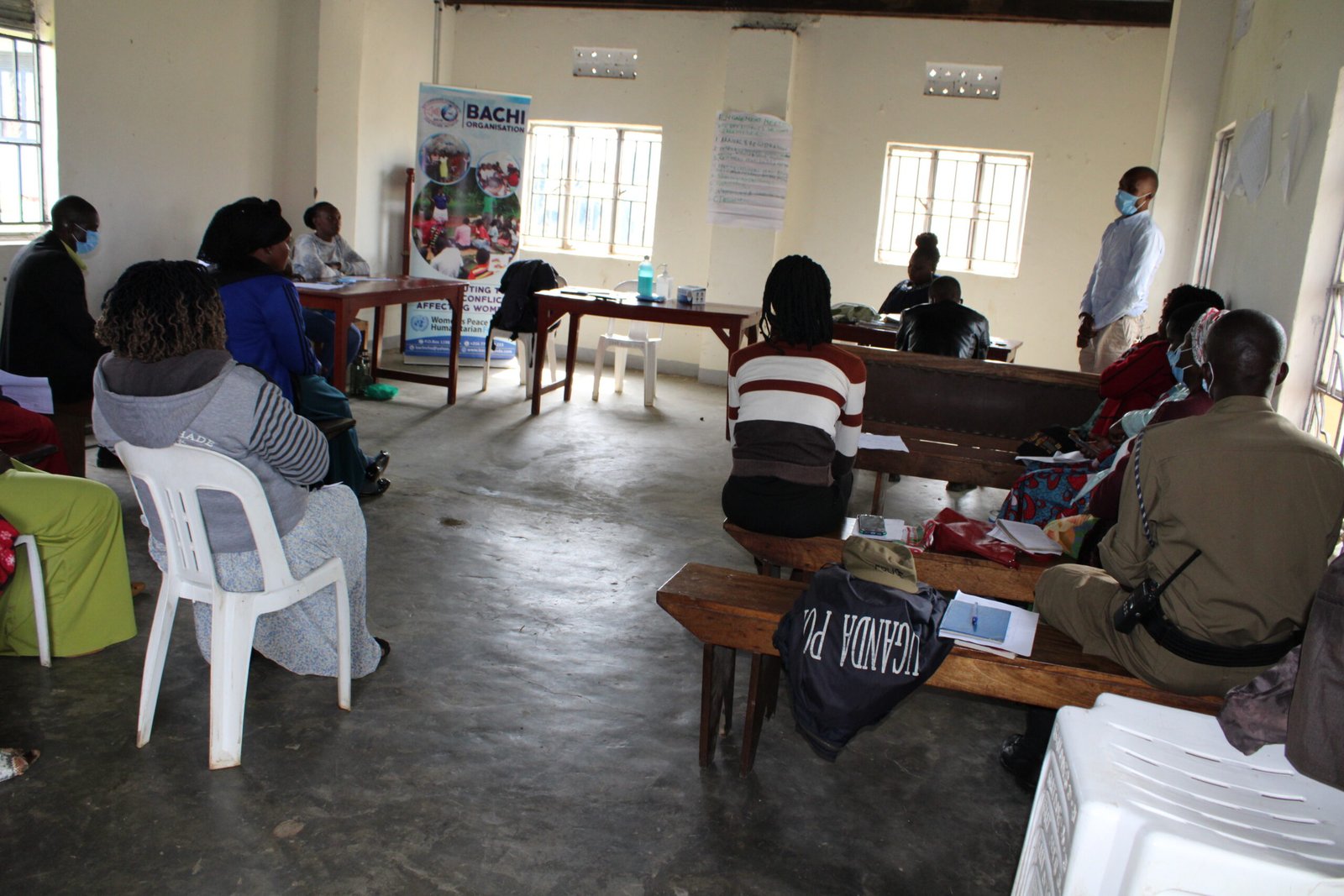
The Innovations for Choice and Autonomy (ICAN) phase 1 project was a flagship research study implemented by the Baitambogwe Community Healthcare Initiative (BACHI) in collaboration with PATH, Makerere University and University of California San Francisco. Launched in the Mayuge district of Uganda (specifically Malongo and Wairasa sub-counties), the project operated from 2021 through 2023
At its core, ICAN utilized a human-centered design approach to explore how social support systems influence a woman’s agency and her ability to make informed decisions regarding family planning
Core Objectives
- Investigate Social Barriers: To understand how community social dynamics influence family planning behaviors and access
- Empower through Peer Mentorship: To pilot a methodology using trusted community members as mentors to guide participants through the family planning journey
- Foster Innovation: To develop and test new models that support contraceptive choice and autonomy for women in rural Uganda
- Strengthen Health Systems: To bridge the gap between community members, Village Health Teams (VHTs), and district health leadership
Impact by the Numbers
Our commitment to community-led health resulted in measurable progress during the reporting period:
| Achievement Metric | Total |
| Total Community Members Reached | 250 |
| Mentees Enrolled & Followed Up | 150 |
| Peer Mentors Trained & Deployed | 15 |
Key Achievements
- Community-Led Mentorship: We successfully selected, trained, and deployed 15 mentors who acted as vital links between their neighbors and professional healthcare services
- Capacity Building: BACHI provided specialized training to Village Health Teams (VHTs) in the administration of Sayana Press, directly improving the quality of local contraceptive services
- Stakeholder Engagement: We established a strong collaborative network involving the District Health Team, sub-county leaders, and the District Community Advisory Board (dCAB) to ensure the project remained culturally relevant and sustainable
- Supportive Supervision: Through regular field visits and performance reviews, we provided mentors with the technical assistance needed to improve data collection and client support
Lessons Learned & Future Outlook
The ICAN project provided invaluable insights for the future of healthcare in Mayuge:
- Demand vs. Supply: While mentors are highly effective at generating demand for services, consistent supply chains are essential to prevent contraceptive stockouts
- Holistic Support: Involving male partners and prioritizing confidentiality are key strategies to mitigate gender-based violence and enhance project effectiveness
- Adaptability: Flexibility in program design allows for better navigation of geographical and environmental challenges, such as poor weather and long distances to clinics
ICAN-Phase 2
This is an expansion of ICAN Phase 1 of the pilot on in 2023 in Mayuge district. The new project will run for 3 years from December 2025 to December 2028 in Iganga district promoting Sayana press self-injection through mentors. The project is a collaborative intervention implemented by UCSF, MakSPH, BACHI and AIC and it is a bill gates foundation funded. BACHI is allocated USD110,000 for the implementation period