PROJECT
Mental Health and Psychosocial Support (Mhpss) For Type 1 Diabetic (T1d) Youth
Project Reports
Funded by T1D community grant
Project cost: UGX 210,000,000
Implementing Partner: Baitambogwe Community Healthcare Initiative (BACHI) Implementing sites: Jinja Regional Referral Hospital (JRRH), Iganga general Hospital, and Kabukye Trust DM clinics
Project Timeline: April 2025 – March 2028 (Ongoing)
Executive Summary and Multi-Year Vision
The T1D Community Grant initiative is a multi-year project dedicated to bridging the critical gap between clinical diabetes management and mental healthcare for children and adolescents. By extending the project cycle through 2028, BACHI aims to institutionalize a holistic care model that ensures long-term emotional resilience, treatment adherence, and improved quality of life for young people living with Type 1 Diabetes in the Busoga region
Strategic Objectives (2025–2027)
To achieve sustainable impact over the next three years, the project focuses on four key pillars:
- Capacity Strengthening: Continuous training of healthcare workers and adolescent peers to integrate psychosocial care into routine diabetic clinics.
- Clinical Intervention: Providing evidence-based psychological assessments and tailored counseling services to mitigate the distress associated with chronic illness.
- Stigma Reduction: Establishing and maintaining peer support groups to enhance emotional support and foster community among T1D youth.
- Family Empowerment: Strengthening home-based support systems through sustained psychoeducation for families and caregivers.
Current Implementation Progress (Year 1)
Stakeholder Engagement and Inception
- Staff Professionalization: In May 2025, the BACHI project team underwent a comprehensive orientation to define implementation modalities and strategic goals.
- Facility Integration: A formal inception meeting was held with the leadership of Jinja Regional Referral Hospital (JRRH) on May 29, 2025, to align roles across pediatric and psychiatric departments.
Clinical Success and Patient Reintegration
The project successfully demonstrated the power of multidisciplinary care through the reintegration of “Isaac,” a 15-year-old T1D patient who had previously dropped out of treatment for three years
- Intervention: BACHI provided medical stabilization, psychosocial counseling, and caregiver training in insulin management while coordinating with child protection services.
- Impact: This case serves as the foundational model for the project’s integrated community-facility approach
Training and Workforce Development
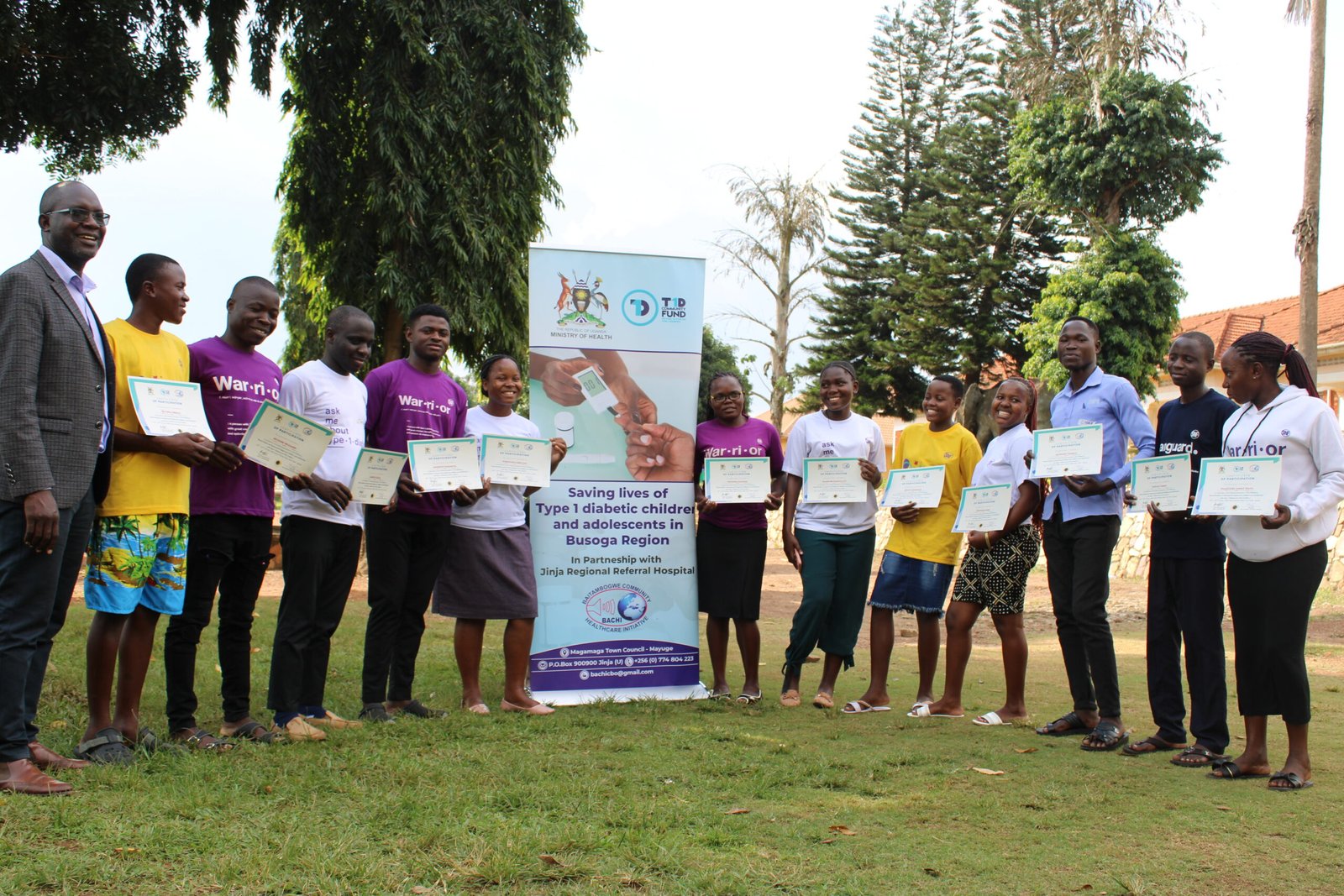
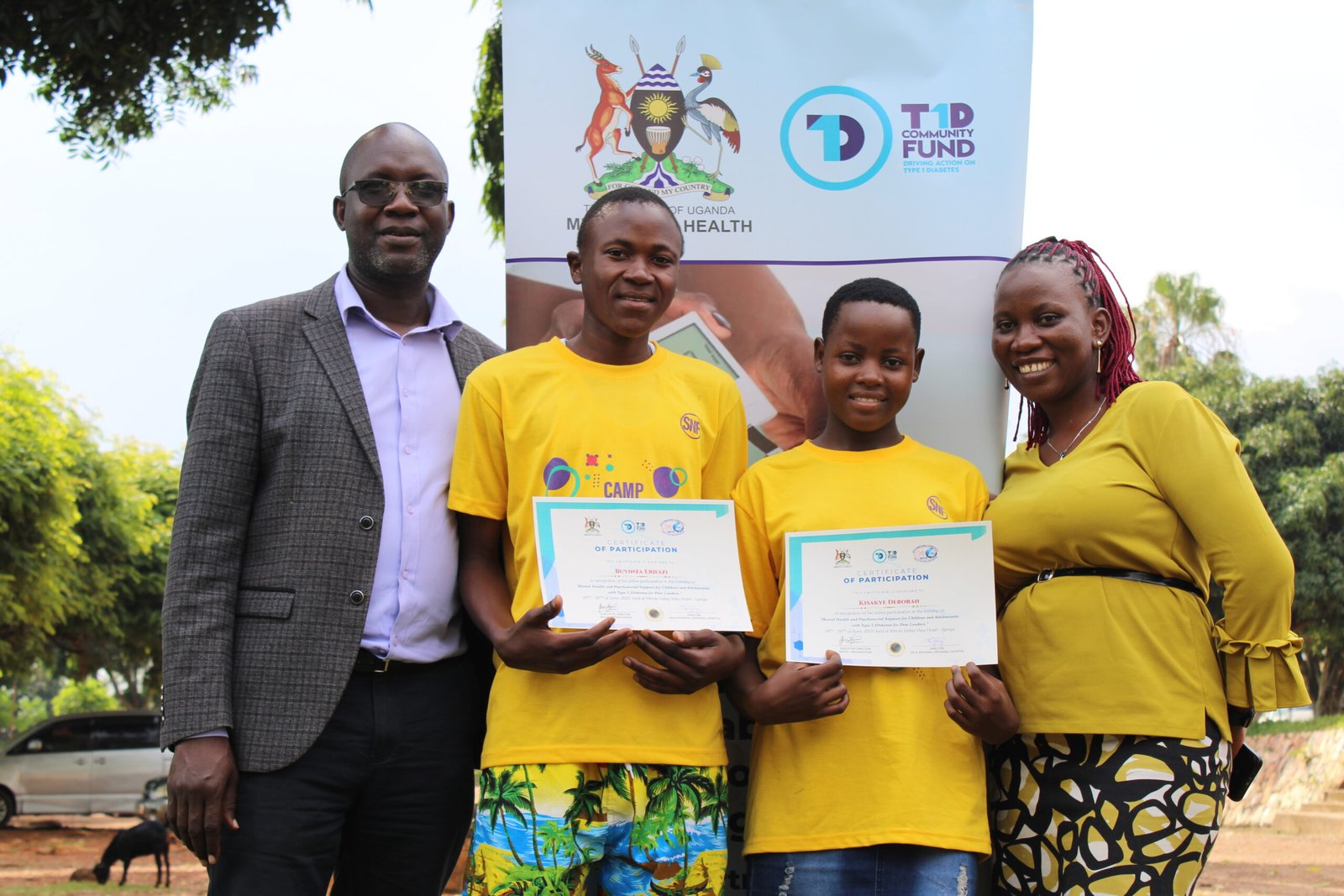
- Healthcare Provider Training: In June 2025, 12 health workers from partner facilities were trained in MHPSS fundamentals and the use of clinical screening tools such as SRQ-20 and SAD PERSONS
- Peer Educator Empowerment: 12 adolescent peer leaders were trained in peer-led counseling and ethical support practices to serve as frontline mentors for their peers
Technical Supervision and Early Impact Data
A technical support supervision visit at the JRRH T1D Clinic on July 10, 2025, revealed significant early progress17:
- Screening Adoption: Peer supporters led education sessions and utilized the SRQ-20 tool to screen 43 adolescents
- Early Detection: 12 adolescents were identified with signs of psychological distress and transitioned into the project’s counseling pathway
Roadmap Toward 2027
The extended timeline allows for the following strategic developments:
- Scalability: Applying the integrated MHPSS model validated at JRRH to additional districts and facilities across the region
- Sustainability: Formalizing multi-sector partnerships between health, education, and child protection services
- Long-term Resilience: Transitioning from acute intervention to a “maintenance phase” that focuses on lifelong self-management and peer-to-peer mentorship for adolescents as they transition into adulthood
In conclusion, the MHPSS for T1D Youth project has laid a strong foundation for holistic chronic care. With a clear roadmap extending to 2028, BACHI is well-positioned to ensure that every child and adolescent with Type 1 Diabetes in the region receives the psychological support necessary to thrive both medically and socially