PROJECT
Malaria Prevention
Malaria remains one of the greatest health threats in rural Uganda, but in the villages of Mayuge District, the tide is turning. Between July and September 2024, the Baitambogwe Community Healthcare Initiative (BACHI) implemented a high-impact strategy that moved beyond the clinic.
Funded by John Snow Inc, Uganda USAID PMI-MRA
Project Overview
- Sub Grantee: Baitambogwe Community Healthcare Initiative (BACHI).
- District: Mayuge.
- Reporting Period: July 2023 – September 2024.
- Primary Objective: To reduce malaria prevalence through integrated community dialogues, household sensitization, and the establishment of “Malaria Smart Homes”.
Key Activities and Achievements
Integrated Community Dialogues
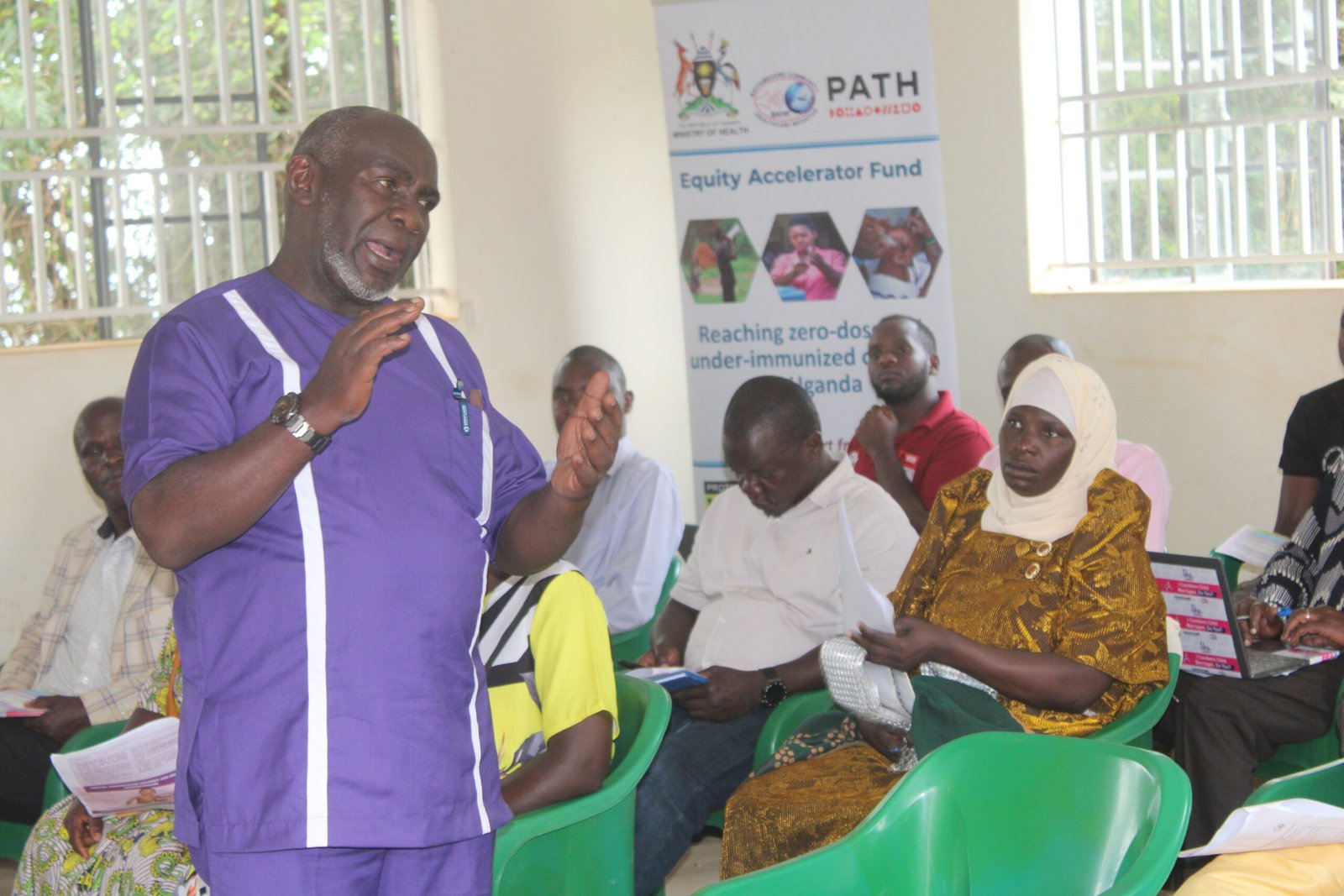
- Reach: Conducted 09 integrated community dialogue meetings across hot spot villages in Mayuge district.
- Participation: Engaged 543 individuals (158 female and 385 male) who received essential health education on malaria and other illnesses.
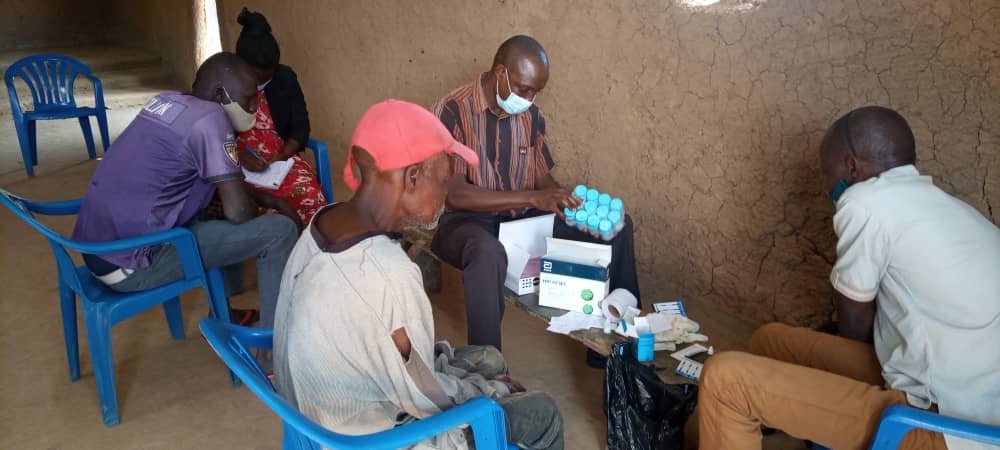
- Clinical Services: Tested 568 patients for malaria; 276 individuals tested positive and received immediate treatment.
Household Sensitization and Data Management
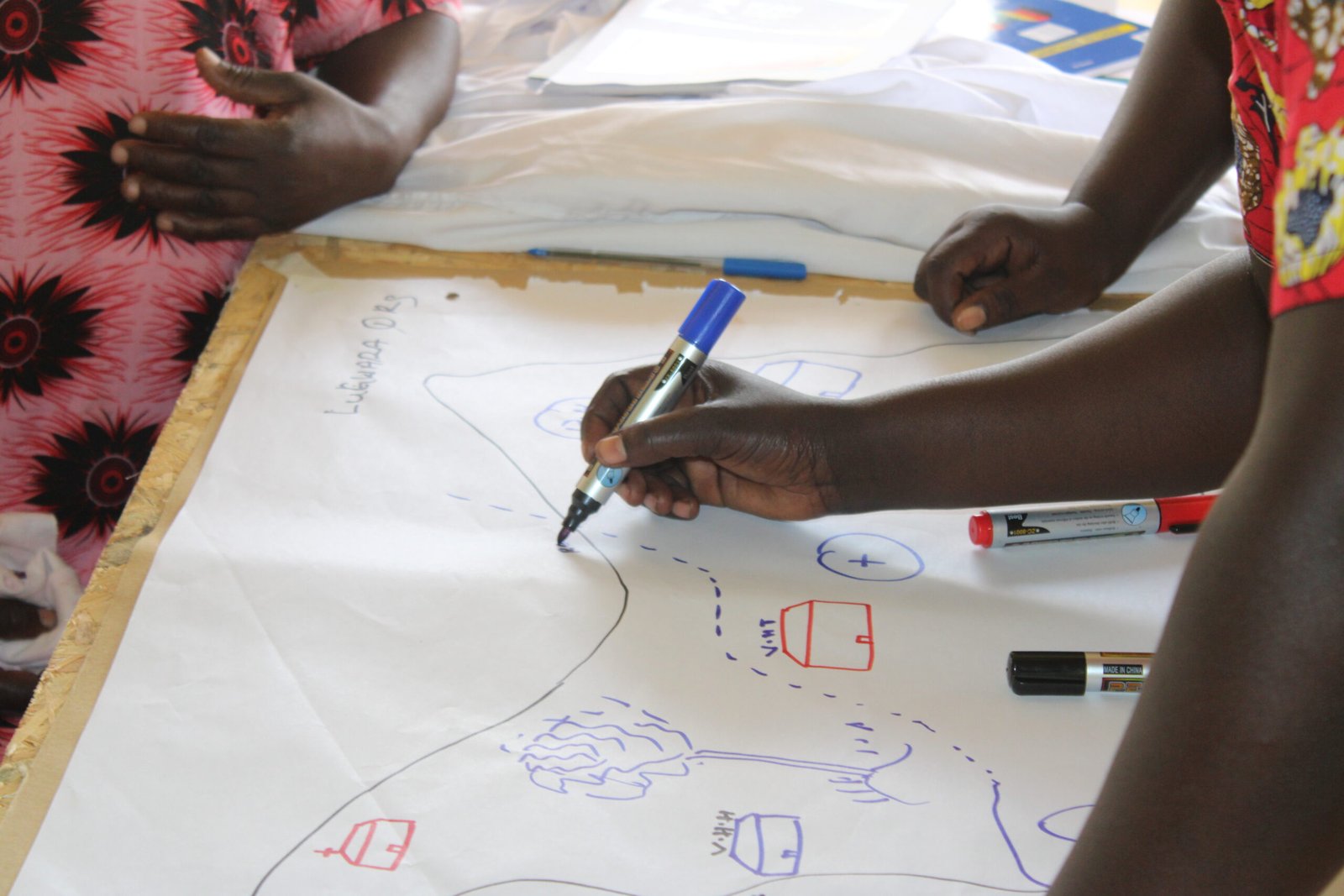
- Coverage: Visited 5,750 households reach and sensitized on SMART Home strategy and followed-up..
- Digital Integration: Successfully captured visit data (ranging from initial to sixth visits) using the Kobo Collect system to ensure accurate progress tracking.
- Behavioral Impact: Observed significant improvements in community behaviors, such as increased use of mosquito nets, screening of house eaves/ventilators, and improved medical-seeking habits.
Malaria Smart Homes Recognition
- Certification: Identified and assessed 342 households as “Malaria Smart Homes” for sustaining malaria reduction practices and were recognized in the presence of different key stakeholders, including District Community Development Officers (DCDOs), local council leaders, and health facility in-charges.
ICCM Performance Review Meetings
- Review Process: Held review meetings across 15 sub-counties to evaluate Integrated Community Case Management (ICCM) performance.
- Workforce Engagement: Engaged 812 VHT/CHEW members (364 males and 448 females) to collect reports, review registers, and improve communication protocols.