The Power of the Peer: How Community Health Workers Are Saving Lives
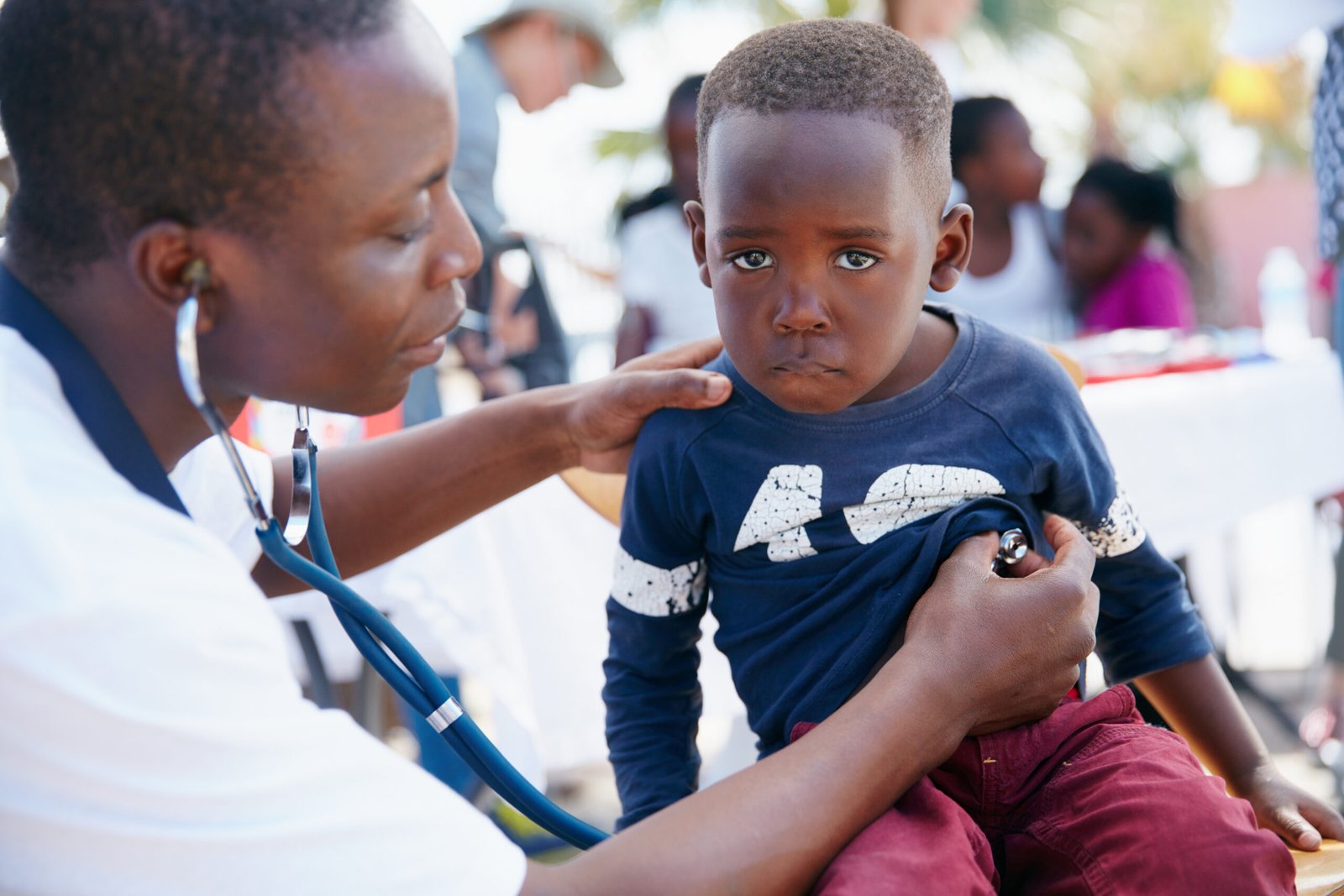
In the winding paths of Mayuge and the rolling hills of Bukomansimbi, a quiet revolution is taking place. It is not led by high-tech machinery or expensive urban hospitals, but by dedicated men and women armed with nothing more than a backpack of medicine, a bicycle, and the trust of their neighbors. These individuals are Community Health Workers (CHWs), known locally in Uganda as Village Health Teams (VHTs).
At the Baitambogwe Community Healthcare Initiative (BACHI), we have long recognized that the burden of ill health is the primary barrier to socio-economic prosperity. Founded in 2007, our mission has been to bridge the gap between formal medical facilities and the remote households that need them most. The VHT model is the cornerstone of this bridge. By empowering community members to take charge of their own health, we are not just treating diseases, we are building a more resilient and prosperous Uganda.
The Heart of the Health System: Defining the VHT Role
Uganda’s healthcare system is structured to bring services as close to the people as possible. At the very base of this pyramid sits the Village Health Team, often referred to as Health Centre I. While they do not operate out of a physical building, their presence is felt in every household they visit.
VHTs are community members selected by their own peers to serve as the first point of contact for health issues. According to the Uganda Ministry of Health, these workers play a vital role in health promotion, disease prevention, and the management of simple yet life-threatening conditions. They are the eyes and ears of the health system, ensuring that no mother or child is left behind simply because they live too far from a clinic.
Integrated Care: More Than Just First Aid
The impact of a Community Health Worker goes far beyond basic first aid. In rural regions like East Central and Greater Masaka, VHTs provide integrated community case management (iCCM). This involves the assessment and treatment of the big three killers of children under five, malaria, pneumonia, and diarrhea.
Because they live in the same villages they serve, VHTs can intervene within hours of a child falling ill. This speed is critical. Research published by the World Health Organization (WHO) indicates that optimizing CHW programs significantly improves outcomes in maternal and child health, as well as infectious disease control. By providing timely treatment and accurate referrals, these peers are literally the difference between life and death.
Maternal and Newborn Health
VHTs are essential in tracking pregnant women within their villages. They encourage early antenatal care visits, educate mothers on birth preparedness, and monitor newborn babies for danger signs. This proactive approach helps reduce the high maternal and infant mortality rates that often plague underserved regions.
HIV and TB Support
In our work with HIV Prevention and Reproductive Health, BACHI relies on VHTs to support treatment adherence. They visit patients at home to ensure they are taking their medication, provide counseling to reduce stigma, and refer suspected Tuberculosis (TB) cases for testing. This level of personalized follow-up is something a busy district hospital simply cannot provide.
The Economic Ripple Effect of Community Health
The work of a VHT is not just a medical intervention, it is a socio-economic one. When a family is healthy, they can work their land, attend school, and invest in their future. Conversely, a single bout of preventable illness can plunge a vulnerable family into a cycle of debt and poverty.
By preventing disease at the household level, CHWs protect the Sustainable Livelihoods that BACHI champions. Every shilling saved on a hospital stay or a funeral is a shilling that can be spent on education or small business development. This aligns with our core value of Strategic Partnerships, working with the community to ensure that health leads to empowerment.
Challenges and the Call for Accountability
Despite their incredible impact, Community Health Workers face significant hurdles. Many operate as volunteers with limited kits and irregular supervision. At BACHI, we advocate for the professionalization and support of these workers. We believe in the core values of Accountability and Transparency, this means ensuring our VHTs are well-trained, adequately equipped, and integrated into the national health strategy.
Global partners like GAVI, PATH, and the Global Fund recognize that without a strong community-based workforce, global health targets cannot be met. As the Uganda AIDS Commission highlights in its strategic frameworks, community engagement is the only way to reach the last mile of service delivery.
A Vision for an Empowered Community
Looking forward, the role of the peer will only grow in importance. As we face new challenges like climate change and emerging infectious diseases, the VHTs will be our first line of defense. They are the experts in their own culture and geography, making them the most effective advocates for behavioral change.
BACHI remains committed to strengthening these systems. We invite the international community, local governments, and passionate volunteers to recognize the Power of the Peer. When we invest in a Community Health Worker, we aren’t just investing in one person, we are investing in the health and prosperity of an entire village.
Join the BACHI Mission
The transformation of healthcare in Uganda starts at the doorstep of the most remote households. BACHI Uganda is dedicated to scaling these high-impact interventions, but we cannot do it alone. Whether you are a donor looking to make a sustainable impact, a volunteer ready to serve, or a partner aiming to strengthen local health systems, your support is vital. Together, we can ensure that every village in Mayuge and Bukomansimbi has the care it deserves. Please visit the BACHI Uganda website to join our cause, donate to our programs, or learn more about how you can support the heroes on the front lines of community health.