How Changing Weather Patterns Affect Nutrition and the Spread of Malaria
In the rural districts of Mayuge and Bukomansimbi, the rhythm of life has long been dictated by the predictability of the seasons. Farmers knew when to plant their maize and beans, and families knew when to prepare for the seasonal rains. However, in recent years, these rhythms have been disrupted. At the Baitambogwe Community Healthcare Initiative (BACHI), we are witnessing a new and alarming reality, climate change is no longer a distant threat, it is a present health emergency.
BACHI has always recognized that the burden of ill health is the primary barrier to socio-economic prosperity. Today, that burden is being multiplied by shifting weather patterns. The connection between a changing climate and human health is direct and devastating, manifesting most clearly in two critical areas: the worsening of malnutrition and the unprecedented spread of malaria. To protect the fundamental human right to health, we must understand and adapt to these environmental shifts.
The Nutrition Crisis: When Fields Fail, Children Suffer
Uganda’s food security is deeply tied to rain-fed agriculture. Over 70% of the population relies on these consistent cycles to grow the food that sustains their families. When temperatures rise and rainfall becomes unpredictable, the first casualty is nutrition. Prolonged dry spells lead to crop failures, while sudden, heavy floods wash away fertile topsoil and destroy ready-to-harvest produce.
According to the World Food Programme (WFP), climate-related shocks are a leading driver of food insecurity in East Africa. When agricultural yields decline, food prices in local markets skyrocket. For the families we serve in the East Central and Greater Masaka regions, this often means reducing the number of meals per day or switching to less nutritious staple foods. The result is a sharp increase in stunting and wasting among children, undermining their physical and cognitive development for life.
The Micronutrient Gap
Climate change does not just affect the quantity of food, it affects the quality. Increased levels of carbon dioxide in the atmosphere have been shown to reduce the concentrations of essential minerals like iron and zinc in staple crops. For a community already battling high rates of anemia, this hidden hunger makes our preventive health interventions even more challenging. Nutrition is the foundation of a resilient immune system, and without it, our communities are left vulnerable to every other health threat.
Malaria and the Changing Map of Transmission
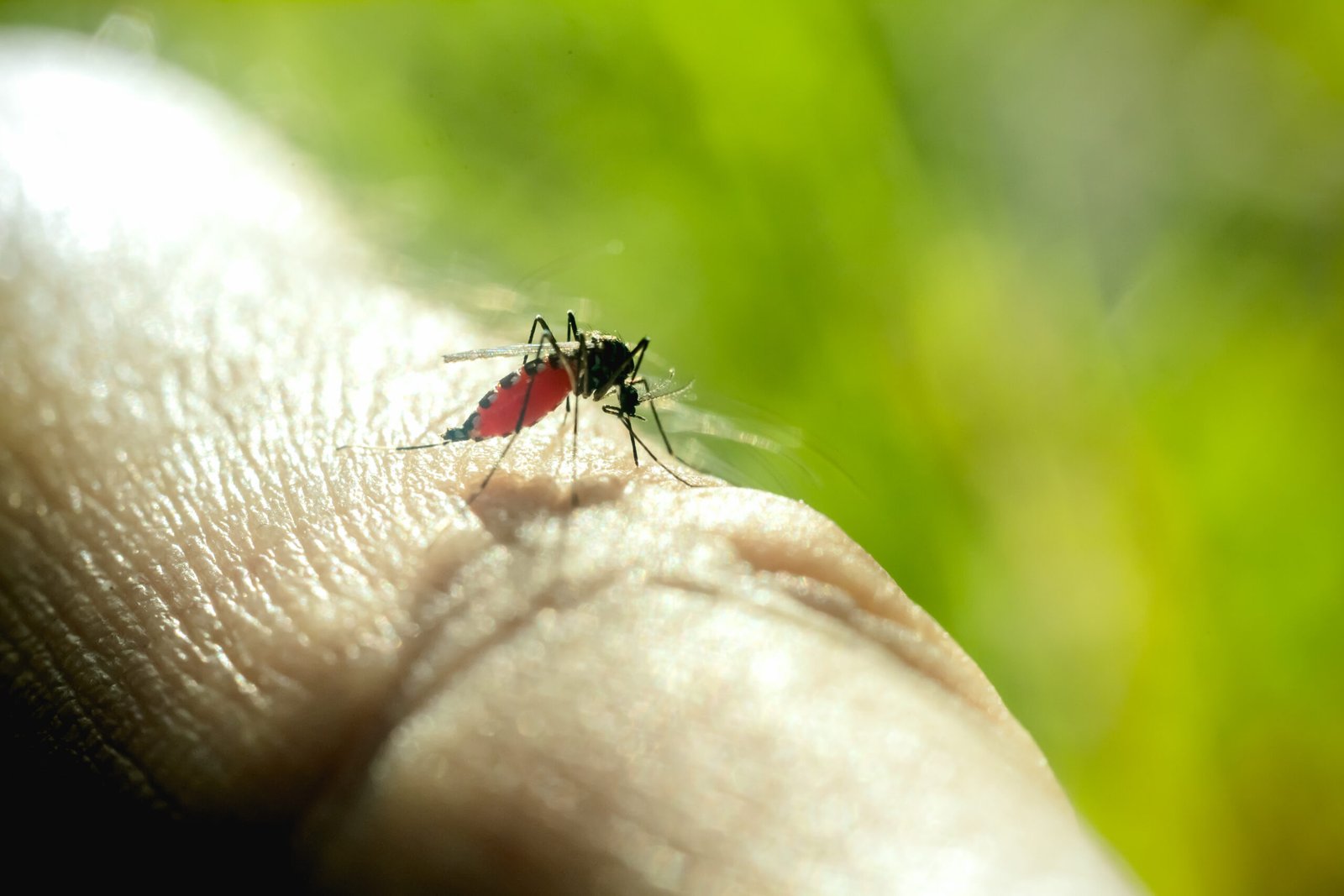
While malnutrition weakens the body, climate change is simultaneously strengthening the hand of its most persistent enemy, malaria. The relationship between weather and mosquitoes is precise. Higher temperatures, increased humidity, and altered rainfall patterns create the perfect breeding ground for the Anopheles mosquito.
The World Health Organization (WHO) warns that climate change is a threat multiplier for vector-borne diseases. In Uganda, we are seeing this play out in real-time. Areas that were once too cool for mosquitoes (particularly higher altitude regions) are now seeing an increase in malaria cases as temperatures rise.
Floods and Breeding Sites
In the Mayuge district, heavy and unseasonal rains often result in stagnant water pools that linger for weeks. These are ideal nurseries for mosquito larvae. Furthermore, extreme weather events often displace families, forcing them into temporary shelters where they lack the protection of insecticide-treated nets or adequate housing. This exposure leads to rapid spikes in infection rates, stretching our local health systems to their breaking point.
The Synergistic Threat: Malnutrition and Malaria
The most dangerous aspect of climate change is how these two threats interact. A child who is malnourished has a weakened immune response, making them far more likely to develop severe, life-threatening malaria. Conversely, repeated bouts of malaria cause nutrient loss and loss of appetite, dragging a healthy child into a state of malnutrition.
This vicious cycle is a direct obstacle to BACHI’s mission of delivering holistic wellbeing. Our integrated medical services must now account for the fact that a malaria patient may also need intensive nutritional support, and a malnourished child must be screened more frequently for parasites. We cannot treat one without addressing the environmental factors that are driving both.
BACHI’s Response: Adapting for Resilience
At BACHI, we believe that health interventions are most effective when they are community-led and forward-thinking. In response to these climate-sensitive health threats, we have integrated environmental awareness into our three Strategic Objectives:
- Preventive Health: Our Village Health Teams (VHTs) are being trained to recognize how weather shifts affect disease risk. We are intensifying our mosquito net distribution and indoor residual spraying efforts during periods of unseasonal rain.
- Socio-Economic Support: Through our Sustainable Livelihoods programs, we are encouraging climate-smart agriculture. By promoting drought-resistant crops and kitchen gardens, we help families maintain nutritional diversity even when the main harvest fails.
- Quality Medical Care: We are strengthening our surveillance systems to predict and respond to malaria outbreaks faster. By using local weather data, we can move life-saving medications to the clinics that are most likely to see a surge in patients.
Advocacy and Global Responsibility
Uganda is one of the most vulnerable countries to climate change, yet it contributes the least to global emissions. Our work in Human Rights Advocacy includes calling for climate justice. We need the international community to recognize that Health for All cannot be achieved without significant investment in climate adaptation for the world’s most vulnerable regions.
We are proud to work with global partners like GAVI, the Global Fund, and USAID to bridge the gap between international resources and local transformation. However, the scale of the climate crisis requires even greater collaboration. We must ensure that health remains at the center of the climate conversation.
Join the BACHI Mission for a Greener, Healthier Future
Protecting our community from the double threat of malnutrition and malaria requires a united front. At the Baitambogwe Community Healthcare Initiative, we are committed to staying on the front lines, innovating and advocating for those who need it most. Whether you are a donor, a volunteer, or a local leader, your support helps us build the resilience needed to face a changing climate. Together, we can ensure that our children grow up in a world where they are not defined by the weather, but by their health and opportunity. Please visit the BACHI Uganda website to join our cause and help us protect the future of our communities today.