Health as a Human Right: Why Advocacy Matters in Rural Uganda
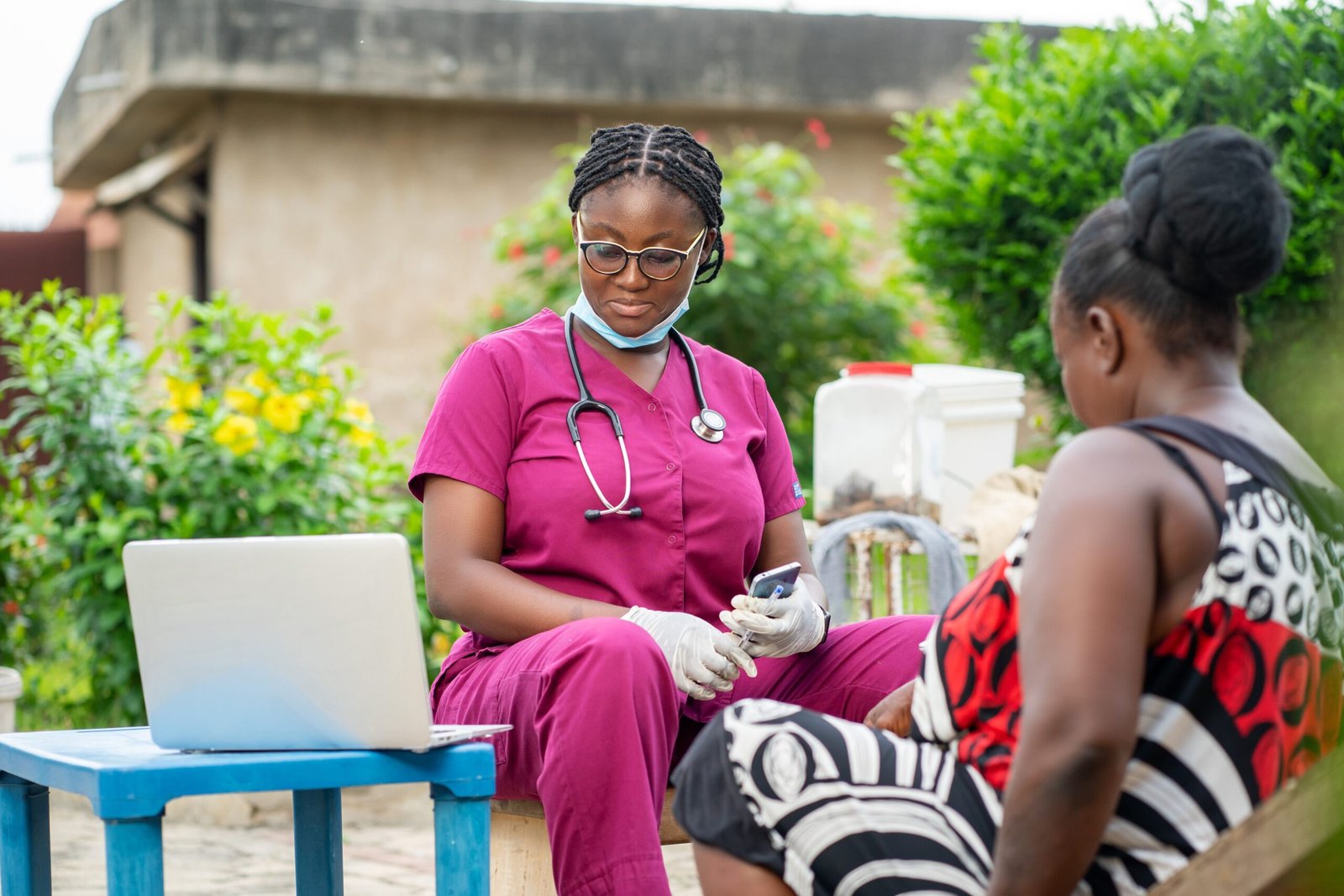
At the Baitambogwe Community Healthcare Initiative (BACHI), our work is anchored in a profound conviction, health is not a luxury for the privileged, but a fundamental human right for all. Since our founding in 2007, we have worked tirelessly in the Mayuge and Bukomansimbi districts to ensure that this right is not just a theoretical concept in a legal document, but a lived reality for every villager. In the context of rural Uganda, advocacy is the tool that transforms policy into practice, ensuring that the most marginalized voices are heard by those in power.
The burden of ill health remains the primary barrier to socio-economic prosperity in our communities. When a family cannot access basic medical care, they are often plunged into a cycle of poverty that spans generations. Advocacy matters because it addresses the systemic barriers (such as distance, cost, and discrimination) that prevent people from exercising their right to health. By standing as a bridge between international resources and local transformation, BACHI ensures that human rights remain at the center of community healthcare.
The Global Framework for Health Rights
The concept of health as a human right is recognized globally, yet the gap between international standards and local reality can be vast. The World Health Organization (WHO) explicitly states that every human being has the right to the highest attainable standard of physical and mental health. This right includes access to timely, acceptable, and affordable healthcare of appropriate quality, as well as the underlying determinants of health, such as safe water and adequate nutrition.
In Uganda, the national constitution and various policy frameworks echo these sentiments. However, for a mother in a remote village in the East Central region, these high-level declarations only matter if there is a functional health center nearby staffed with trained professionals. Advocacy is the process of holding duty-bearers accountable to these promises, ensuring that the gold standard of care reaches the last mile.
Why Advocacy is Essential in Rural Settings
Rural communities face unique challenges that make advocacy a life-saving intervention. Geography often dictates destiny, those living far from urban centers frequently encounter drug stockouts, a shortage of health workers, and inadequate infrastructure. Advocacy gives these communities a platform to demand equitable distribution of resources, ensuring that rural districts like Mayuge receive their fair share of national and international health funding.
Furthermore, advocacy plays a critical role in tackling the stigma associated with specific health conditions. In our HIV Prevention and Reproductive Health programs, we have seen how social barriers can be just as restrictive as physical ones. Advocacy works to dismantle the stigma barrier, educating the public and protecting the rights of those living with HIV or seeking reproductive services. When people feel safe and respected, they are more likely to seek the care they need.
Protecting the Most Vulnerable: OVC and Human Rights
A significant portion of BACHI’s advocacy work focuses on Orphans and Vulnerable Children (OVC). These children are often the most at risk of having their human rights violated, including their right to health and education. Without strong advocates, OVC may face exploitation, neglect, or the loss of ancestral land, which further destabilizes their health and socio-economic resilience.
Our Human Rights Advocacy intervention ensures that these children are not invisible. We work alongside local district governments and partners like the Uganda AIDS Commission to monitor the welfare of OVC and ensure they are integrated into social protection systems. By advocating for the rights of the child, we are investing in the future stability and health of the entire region.
Accountability and Transparency in Advocacy
For advocacy to be effective, it must be rooted in the core values of Accountability and Transparency. At BACHI, we believe that we are accountable both to our global partners (such as GAVI, the Global Fund, and USAID) and to the local communities we serve. Transparency in how we manage resources and report outcomes builds the trust necessary to influence policy and inspire community participation.
Strategic partnerships are the engine of our advocacy efforts. By collaborating with esteemed organizations like AHF-Uganda Cares and TASO, we amplify our voice and create a unified front for health equity. These partnerships allow us to share data, pool resources, and advocate for systemic changes that benefit the greater Masaka and East Central regions. When we speak together, the international community and the Ugandan government are more likely to listen and act.
Systems Strengthening: The Result of Effective Advocacy
Advocacy is not just about identifying problems, it is about strengthening systems to provide long-term solutions. Through our advocacy, we push for the Systems Strengthening of local health facilities. This includes advocating for better training for Village Health Teams (VHTs), more consistent medical supply chains, and improved data management systems.
When systems are strengthened, the right to health becomes sustainable. It moves from being a series of emergency interventions to a consistent, reliable service that the community can trust. This shift is essential for fostering socio-economic resilience. A healthy community can work, learn, and innovate, eventually rising above the circumstances of poverty that once held them back.
The Role of the International Community and Volunteers
The global community plays a vital role in upholding health as a human right in Uganda. International partners provide the resources and technical expertise that fuel our advocacy and medical services. Likewise, volunteers who join our cause bring fresh perspectives and energy, helping us innovate and reach more people in need.
We invite the international community to join us as we advocate for those who need it most. Whether through financial support, professional volunteering, or strategic collaboration, your involvement strengthens our ability to protect the rights of the marginalized. By supporting an indigenous NGO like BACHI, you are ensuring that interventions are deeply rooted in the needs of the people and managed with the highest ethical standards.
A Vision for an Empowered Community
Our vision is of a healthy and empowered community where every individual knows their rights and has the means to exercise them. We will continue to innovate, advocate, and provide care until the cycle of poverty and disease is broken. Health is a fundamental human right, and at BACHI, we will never stop fighting to make that right a reality for everyone in Mayuge, Bukomansimbi, and beyond.
Join the BACHI Mission
Advocacy is a collective journey, and we need your voice to make a lasting impact. At the Baitambogwe Community Healthcare Initiative, we are dedicated to ensuring that health equity is achieved through community-led action and strategic partnerships. Whether you are an international donor, a local leader, or a passionate volunteer, your support helps us bridge the gap between resources and transformation. We invite you to be a part of this vital movement, please visit the BACHI Uganda website to learn more about our advocacy interventions and find out how you can join the cause of our organization today.