PROJECT
Women Empowerment for Conflict Prevention Project
Funded by UN-WOMEN/WPHF
Project Location: Masaka District
Total Investment: UGX 346,950,557
Project Duration: January 2021 – March 2023
Strategic Overview
The Women Empowerment for Conflict Prevention project was designed to address the socio-economic drivers of instability in the Masaka District. By positioning women at the center of grassroots peace-building, the initiative sought to mitigate conflicts related to land ownership, domestic disputes, and displacement. The project’s core methodology focused on transforming local female leadership into a professionalized force capable of threat detection, mediation, and systematic reporting.
Key Strategic Pillars and Activities
Institutional Capacity Building
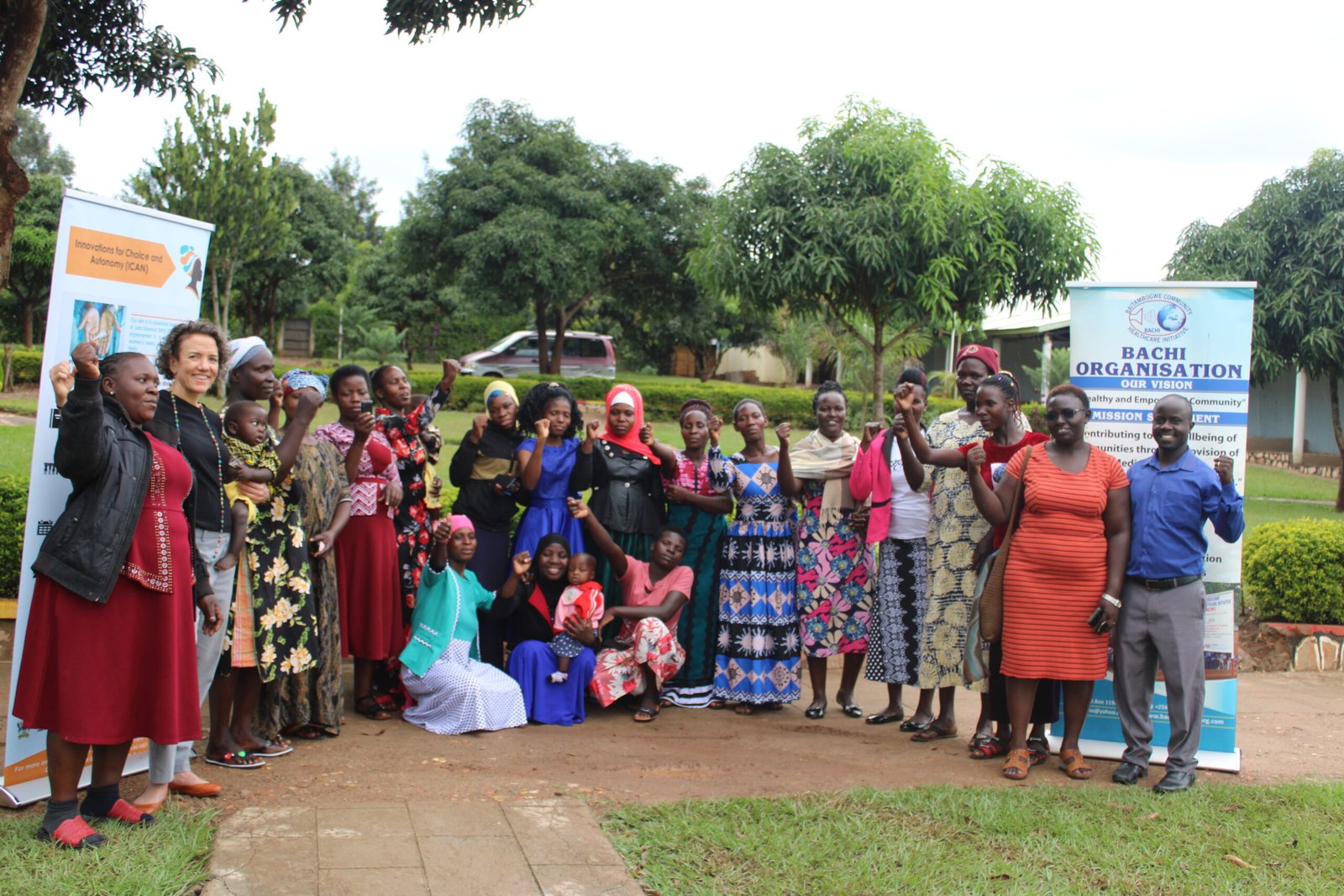
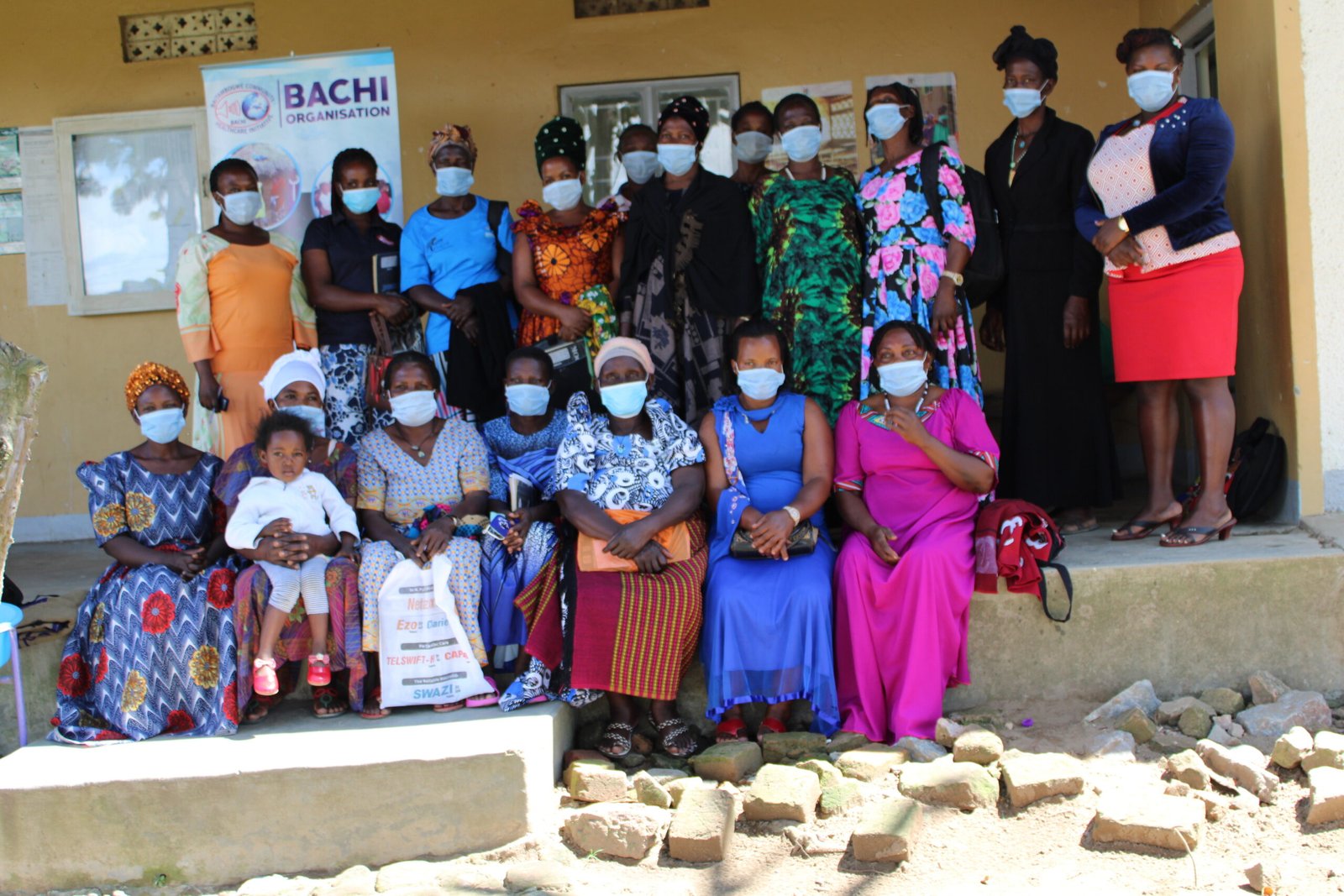
- Trained 60 Local Council One (LC1) Women Representatives in early-warning systems, conflict response techniques, and dispute mediation.
- Empowered 19 District and Sub-county Women Leaders with skills in strategic advocacy to foster positive communal attitudes toward women’s participation in governance.
- Provided advanced conflict management and reporting training to 10 BACHI technical staff to align implementation with international humanitarian standards.
Community Sensitization and Mindset Transformation
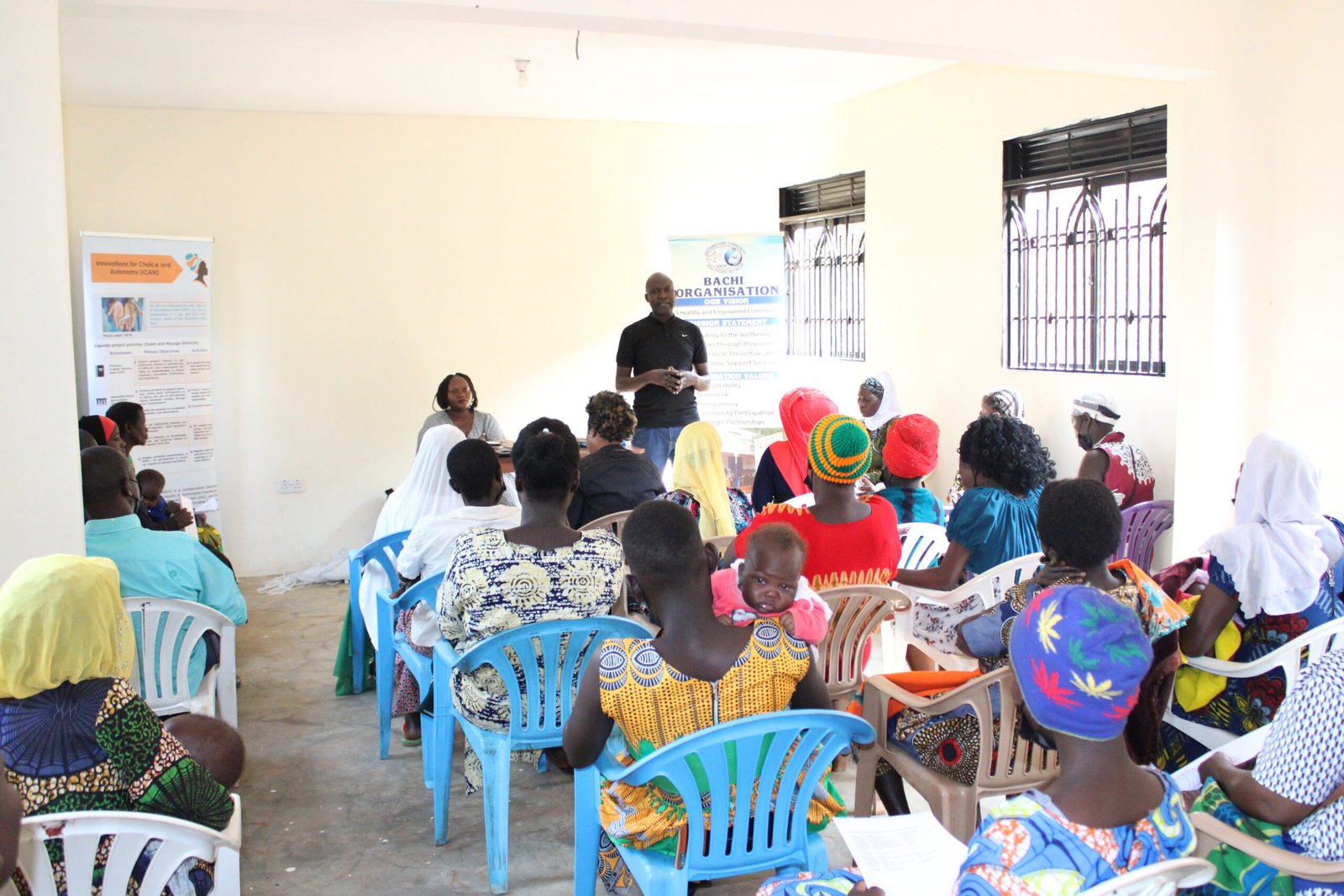
- Direct Community Engagement: Reached 1,939 individuals through comprehensive home-to-home visits and structured group dialogues, disseminating vital information on conflict prevention and legal rights.
- Stakeholder Buy-in: Facilitated high-level quarterly engagement meetings with political, religious, and cultural leaders to ensure social alignment and institutional support for the project’s objectives.
Systems Strengthening and Advocacy
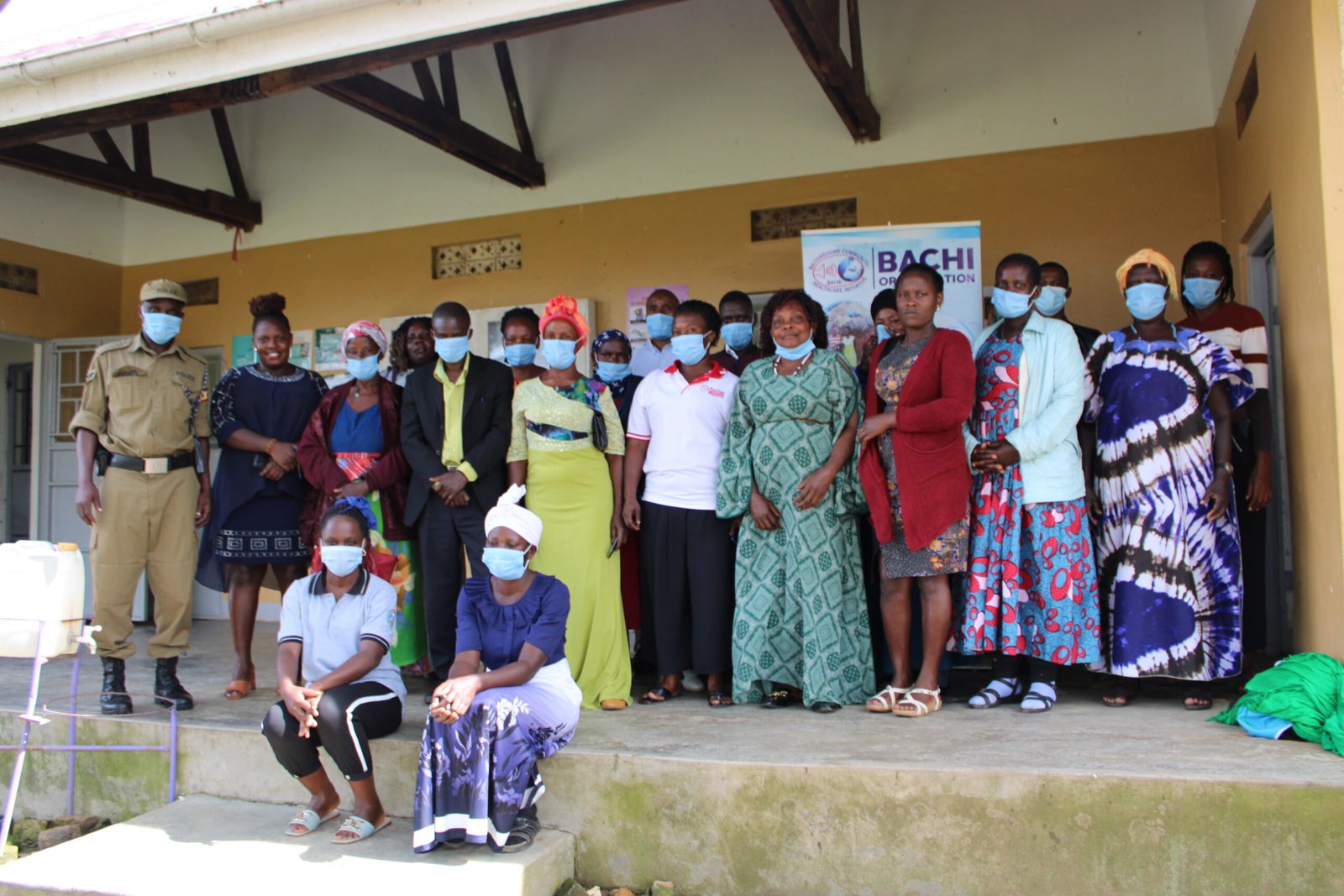
Harmonized Referral Pathways: Organized multi-sectoral dialogues with the Uganda Police Force, Community Development Officers (CDOs), and LC3 Chairpersons to streamline the transition of conflict survivors from grassroots mediation to legal justice.
Structural Orientation: Conducted orientation for 410 LC1 Committee Members to clarify their roles and responsibilities in preventing land and family-based displacement.
Major Achievements and Impact
- Significant Conflict Reduction: The project realized a verifiable decrease in community-level conflicts, attributed to heightened awareness and the efficiency of localized mediation.
- Direct Survivor Assistance: Successfully provided mediation and legal referral services to 314 conflict survivors within a single reporting quarter, ensuring immediate access to justice.
- Enhanced Referral Integration: Established a robust link between village-level women’s structures and formal state institutions, ensuring that survivors are effectively navigated through the judicial system.
- Establishment of Permanent Structures: Secured the project’s legacy by creating functional, village-level women’s councils and gaining formal commitments from male cultural and political leaders to uphold gender-inclusive peace processes.
- Institutional Credibility: Built significant institutional trust, resulting in strong recommendations from District stakeholders for BACHI’s innovative and effective implementation model.